

H13 Steel

Grade Brief:

H13 tool steel is the most popular steel grade for various Industries. The main features of high alloyed Cr-Mo-V Hot Work tool steel is high wear resistance to thermal shock and to heat cracking, good mechanical characteristics & toughness in hot condition.H13 appears excellent machinability with constant hardness during production activities.


The equivalent steel grade H-13 / SKD61 / AISI H13 normally available in the annealed condition but in some specific applications, we provide Pre-Hard H13 with its standard hardness 460-500 BHN. Utilized for ejector pins, apparatus holders and shrink fit chucks.


H13 tool steel is a widely used hot work tool steel that belongs to the AISI (American Iron and Steel Institute) H-series steels. It is renowned for its exceptional combination of high hardness, toughness, and heat resistance, making it well-suited for a variety of applications in hot work tooling. H13 tool steel contains a composition of approximately 1.4% to 1.6% carbon, 4.75% to 5.5% chromium, 0.3% to 1% molybdenum, 1% vanadium, and smaller amounts of other alloying elements such as silicon and manganese. This specific composition contributes to its excellent properties, including high hardness, good abrasion resistance, high toughness, ductility, machinability , polishability, good high-temperature strength and resistance to thermal fatigue, very limited distortion during hardening.


Consult our Gurugram office for further assistance.
Meanwhile for more on Virat Special Steels;
Email Us: info@viratsteels.com.
Contact them by mobile numbers 98140 – 21775, 99991 – 24971 to 79.

Follow on LinkedIn


Popularly Searchable Keywords:

H13 Steel , H13 Steels, H13 Steel Chemical composition, H13 Steel Mechanical properties, H13 Steel Equivalent Grades, H13 Steel plate, H13 Steel sheet, H13 Steel Manufacturers, H13 Steel Dealers, H13 Steel Stockist, H13 Steel Distributors, H13 Steel Wholesalers, H13 Steel Traders, H-13 Steel Round Bar, H-13 Steel Round Bar Manufacturers, H-13 Steel Suppliers, H-13 Steel Stockist, H-13 Steel Dealers, H-13 Steel Distributors, H-13 Steel Wholesalers, H-13 Steel Traders, H-13 Steel Square Distributors, H-13 Steel Flat Bar, H-13 Steel Die Steel Round Bar, H-13 Hot Die Steel Traders, H-13 Steel Companies Near me.


Mode of Supply

Virat Special Steels is the largest stockiest and supplier of H13 tool steel in flat, square and round bar. We provide steel in all sizes as your requirements. H13 die steel is available in flat, square and round shape. Consult our team who will assist you for h13 steel query.

h13-steel


H13 ESR

ESR is the most refined material with the traditional VD route. The quality of material increase the toughness, highly increase the micro- cleanness level.


Highly recommend the use of AISI-H13 ESR grade for Aluminum Pressure Die Casting & other component subjected to high working temperatures and high pressure strength. H13 is fully ultrasonic inspected with 100% positive results as per NDT standards.


H13 Steel Properties

High hot-wear resistance and hot tensile strength as well as good toughness, thermal conductivity and insusceptibility to hotcracking. Can be water-cooled to a limited extent.


Mechanical Properties:
Tensile strength 1550 MPa-2050MPa
Yield Strength 1000-1380 MPa
Elongation 10%-15%
Impact Toughness 20 J/cm2-40 J/cm2
Hardness 45-52 HRC
Compressive Strength 2550MPa
Modulus of elasticity 215 GPa


H13 Physical Properties

Coefficient of thermal expansionat °C 20-100 20-210 20-300 20-400 20-500 20-600 20-700
10-4 m/(m*K) 10.8 12 12.4 12.7 13.1 13.3 13.5


Thermal Conductivity °C 20 350 700
W/(m*K)Annealed 27.1 30.4 33.2
W/(m*K)Quenched & Tempered 25.4 27.7 30.4


Machinability:

DIN 2344 has a medium to good machinability. It rates as 75% that of the low alloy, typically well-machinable W group water hardening tool steels.


Hardness :

Hardness tests were conducted on 1-inch-round DIN 2344 specimens that had been air-quenched at 1850°F and subjected to two hours of tempered heating and cooling.


Heat Treatment & Processes:

Heat treatment:

Preheating DIN 2344 tool steels to 816°C (1500°F). The temperature is then instantly raised to 1010°C (1850°F) and held there for 15 to 40 minutes before being applied to the steels. After that, the steels are air-quenched.


Hardening:

DIN 2344 tool steel should be hardened by cooling in still air since it has a very high degree of hardenability. If a salt bath or controlled environment furnace is not available, pack hardening in wasted pitch coke is advised to reduce decarburization. The temperature used ranges from 1800° to 1850°F, depending on the size of the part.


Forging:

Heat must be applied evenly and gently for forging. Reheat as often as necessary while soaking through at 1900°–2000°F; cease working when the temperature falls below 1650°F. After forging, cool gradually in a furnace, lime, mica, or dry ashes. After forging, DIN 2344 should always be annealed.


Stress Relieving:

After machining, welding, or other high-temperature procedures on DIN 2344 steel, stress relieving is a heat treatment procedure used to lower internal tensions and enhance dimensional stability.


Normalizing:

Do Not Normalize.


Annealing:

DIN 2344 tool steels are annealed in the furnace at 871°C (1600°F) and then slowly chilled at 4°C (40°F).


Cold working:

Cold working may be carried out on DIN 2344 tool steels using conventional methods.


Nitriding:

Nitriding is used to give DIN 2344 tool steel a hard surface covering. The steel has a strong resistance to corrosion and abrasion as a result. Nitriding also increases corrosion resistance. Nitriding in ammonia gas at a temperature of 525°C results in surfaces with surface hardness ranging from 1000 to 1250 HV. Before being nitrided, the tool has to be hardened and tempered to a temperature that is around 50°C higher than the nitriding temperature.


Welding:

DIN 2344 tool steels may easily be joined together using a variety of welding techniques, such as gas tungsten arc welding, shielded metal arc welding, and gas metal arc welding.


Quenching:

Using a quenching medium such as air, oil, water, or polymer solutions, the DIN 2344 steel is quickly cooled to room temperature or lower. The target hardness, distortion control, and component shape are only a few examples of the variables that affect the quenching medium selection. The temperature range required for quenching steel is (500-550 °C).


Tempering:

Quenching leaves the steel with an extremely rigid yet fragile structure. Immediately following quenching, the hardened DIN 2344 steel is commonly tempered in order to increase toughness and relieve internal tensions. Reheating the steel to a certain temperature range—typically between 500°C and 650°C (1202°F)—and maintaining it there for a predetermined amount of time is known as tempering. In fact, this procedure aids in lowering the steel’s hardness, boosting its toughness, and improving its overall performance. A hardness of 53 to 38 HRC is achieved by tempering DIN 2344 tool steels between 538 and 649°C (1000 and 1200°F). These steels can also undergo double tempering once per hour at the chosen tempering temperature.


Soft annealing °C Cooling Hardness HB
760 – 810 Furnace max. 240


Stress-relief annealing °C Cooling
approx. 610 – 660 Furnace


Hardening °C Quenching Hardness after quenching HRC
1030 – 1060 Air ,oil or saltbath, 500 – 550 °C 55


Tempering °C 100 210 300 400 500 550 600 650 700
HRC 54 53 53 55 56 54 51 43 34


Applications

Dies for Drop Forgings , Aluminum / low Pressure Die Casting, Extrusion Dies,Gripper Dies, Moulds/Die For Street Light, Metal Track Pressure Tools, Forging Dies, Containers & liner, Punches, Plugs, Holdez, Injection moulds Etc.
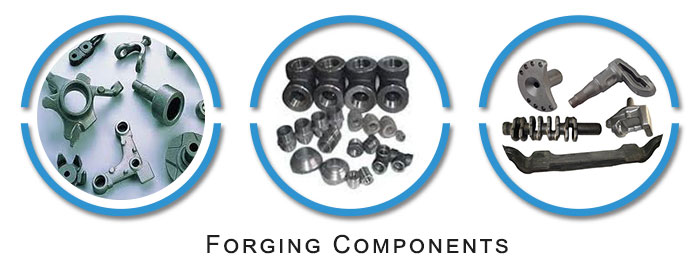
Forging-Components

Addition to other Grades:

HCHCR-D2 Steel , HCHCR-D3 Steel , P20+Ni Steel , P20 Steel , DB6 Steel , H13 Steel, H11 Steel, H21 Steel, H10 Steel, H12 Steel, M2 Steel, M35 Steel, M42 Steel, T1 Steel, DIN 2379 Steel, DIN 2080 Steel, DIN 2738 Steel, DIN 2311 Steel, DIN 2714 Steel, DIN 2344 Steel , DIN 2343 Steel, DIN 2581 Steel, DIN 2365 Steel, DIN 2606 Steel, DIN 3343 Steel, DIN 3243 Steel, DIN 3247 Steel, DIN 3355 Steel AISI D2 Steel, AISI D3 Steel, AISI P20+Ni Steel, AISI P20 Steel, AISI L6 Steel , AISI H13 Steel, AISI H11 Steel, AISI H21 Steel, AISI H10 Steel, AISI H12 Steel, AISI M2 Steel, AISI M35 Steel, AISI M42 Steel , AISI T1 Steel


Our Global Presence:

India, Nepal, Dubai, Thailand, Vietnam, Saudi Arabia, United Arab Emirates , Qatar, Kuwait, Iran, Turkey, Portugal, Spain, Poland, UK, USA, Canada, Brazil, Mexico, Belarus, Australia, New Zealand and many more..


We Provide our Special Steels in All Major Cities India.

Agra, Alwar,Ambala, Anand, Bhiwadi, Dehradun, Ghaziabad, Haridwar, Rudrapur, Delhi, Faridabad, Kanpur, Noida, Gurgaon, Manesar, Kundali ,  Chandigarh,  Waluj , Vadodara, Pimpri – Chinchwad, Rajkot, Jaipur, Ahmedabad, Pithampur,  Surat,  Amravati, Vadodara, Indore,  Bhopal, Ranchi, Jamshedpur, Howrah, Kolkata, Pune, Thane, Nashik, Mumbai, Navi Mumbai, Nagpur,  Ambattur, Bangalore, Belgaum, Chittoor, Dindigul, Hyderabad,  Ernakulam,  Chennai, Secunderabad, Visakhapatnam, Coimbatore, Mysore, Nellore, Kochi,  Thiruvananthapuram, Trivandrum, Vijayawada, Guntur, Tirupati, Nazarathpet, Kakinada, Kurnool and many more..
H11 Steel

Grade Brief:

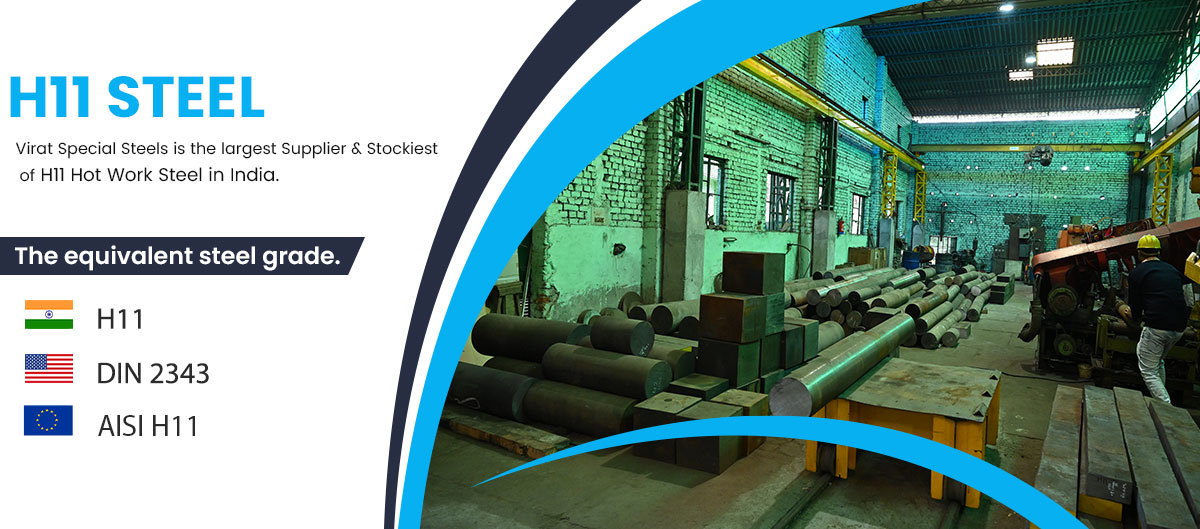
Virat Special Steels is the largest Supplier & Stockiest of H11 SteelHot Work Steel. H11 Steel is an all inclusive hot work tool steel with hot rigidity and durability. Good thermal conductivity and invulnerability to hot cracking and can be water cooled to a constrained degree. Utilized for ejector pins, apparatus holders and shrink fit chucks.


According to the AISI classification system, tool steel H11 Steel is a chromium-based steel alloy from the “H” family of steels. Due to its exceptional impact hardness, H11 Steel is one of this group’s alloys that is employed the most frequently. Due to its exceptional resistance to cracking, including thermal fatigue cracking, gross cracking, and thermal shock during water cooling, H11 Steel is also employed in hot tooling applications. Due to the balanced alloy composition, thorough hardening and air hardening of Tool Steel H11 cause very little deformation. A process called air quenching can also be used to harden H11.


Consult our Gurugram office for further assistance.
Meanwhile for more on Virat Special Steels;
Email Us: info@viratsteels.com.
Contact them by mobile numbers 98140 – 21775, 99991 – 24971 to 79.

Follow on LinkedIn


Mode of Supply

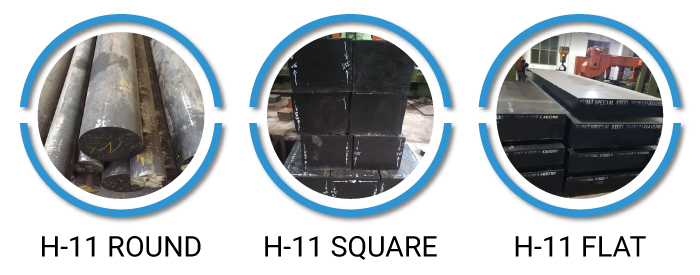
Virat Special Steels is the largest stockiest and supplier of H11 tool steel in flat, square and round bar. We provide steel in all sizes as your requirements. H11 die steel is available in flat, square and round shape. Consult our team who will assist you for h11 steel query.


H11-Steel


Steel Properties

Hot work tool steel with Chromium 5% has high strength and toughness, best thermal physical
phenomenon and in susceptibility to hot cracking. This provides the essential necessities for long tool
life in die-casting , Press Forging , extrusion processes etc.


Mechanical Properties:


Tensile strength 1792 MPa
Yield Strength 1482 MPa
Elongation 8%
Impact Toughness 13.6-33.9 J/cm2
Hardness 52-57 HRC

Physical Properties

Coefficient of thermal expansionat °C 20-100 20-200 20-300 20-400 20-500 20-600 20-700
10-6 m/(m*K) 11.7 12.3 12.5 12.7 12.75 12.9 12.9


Thermal Conductivity °C 20 350 700
W/(m*K)Annealed 29.8 30.0 33.5
W/(m*K)Quenched & Tempered 26.7 27.4 30.4


Machinability:

The machinability of H11 / DIN 2343 / AISI H11 is 75% to that of steels in the “W” group.


Heat Treatment & Processes:


Heat Treatment:

Steel Tool H11 / DIN 2343 / AISI H11. Annealing, hardening, air and oil quenching, and single- or double-tempering are the most common heat treatments, which are performed at temperatures of 840° F (450° C), 930° F (500° C), 1020° F (550° C), 1110° F (600° C), and 1200° F (650° C). Combining hardness, toughness, yield strength, ultimate strength, and ductility results in the best heat treatment, which also includes oil-quenching and double-tempering at 1020° F (550° C).


Hardening:

The austenitizing temperature, which should be between 1800° and 1850°F, the quenching medium, and the tempering parameters all have a role in how hard H11 / DIN 2343 / AISI H11 steel becomes. H11 / DIN 2343 / AISI H11 steel should be hardened by cooling in still air due to its extremely high hardenability.


Tempering:

Quenching H11 steel is tempered to make it more resilient and less brittle. Reheating the steel to a temperature that is lower than its critical temperature—typically between 500°C and 650°C or 932°F and 1202°F—and maintaining it there for a certain amount of time is the process of tempering. The ideal balance between hardness and toughness determines the precise tempering temperature and duration. These steels can also undergo double tempering once per hour at the chosen tempering temperature.


Forging:

Forging H11 / DIN 2343 / AISI H11 steel is normally done at a temperature between 1000 and 1200 degrees Celsius (1832 and 2192 degrees Fahrenheit). According to the required deformation properties and the manufacturer’s instructions, the precise temperature will vary.


Stress Relieving:

H11 / DIN 2343 / AISI H11 steel is heated to a particular temperature of 650 °C for two hours as part of the stress-relieving procedure, and it is then gradually cooled.


Normalizing:

H11 / DIN 2343 / AISI H11 Steel should not be normalised due to its air-hardening ability .


Annealing:

H11 / DIN 2343 / AISI H11 tool steels are annealed at 871°C (1600°F) and then slowly cooled at 4°C (40°F) in the furnace.


Nitriding:

H11 / DIN 2343 / AISI H11 steel can be nitride to give a hard surface at a temperature of 500 °C to 600 °C


Welding:

The surfaces of the dies attain temperatures of 700–800 °C during forging procedures. As a result, hardfacing these sections using nonferrous higher temperature hardfacing alloys like Stellite 6 can frequently increase the effectiveness and lifespan of the dies. The most crucial characteristics of Stellite 6 are its high hardness, galling resistance, hot corrosion and oxidation resistance, adhesive wear resistance, low friction coefficient, and lack of allotropic transformation up to 1100 oC. Due to its high alloy concentration and resulting hardenability, this steel is extremely susceptible to hydrogen induced cracking (HIC) and high cooling rates used during welding cycles. Due to this, the hardfacing characteristics of H11 tool steel with Stellite 6 in the TIG welding process have been examined in this study. The findings show that it is not possible to hardface this steel in its annealed hardfaced state; instead, preheating and intermediate temperatures between 310 and 370 oC are advised. Under these circumstances, 3mm was found to be the minimum thickness required to provide the hardness required (41-42 HRC) in the hardfacing layer.


Quenching:

After the soaking period, the H11 / DIN 2343 / AISI H11 steel is rapidly cooled by immersing it in a quenching medium. The choice of quenching medium depends on factors such as the steel’s composition and the desired hardness. Oil, water, and air are commonly used quenching media. Oil quenching provides a moderate cooling rate, water quenching provides a faster cooling rate, and air quenching provides the slowest cooling rate.


Soft annealing °C Cooling Hardness HB
750 – 800 Furnace max. 230


Stress-relief annealing °C Cooling
approx. 600 – 650 Furnace


Hardening °C Quenching Hardness after quenching HRC
1000 – 1030 Air ,oil or saltbath, 500 – 550 °C 54


Tempering °C 100 200 300 400 500 550 600 650 700
HRC 52 52 52 52 54 53 48 37 31


Applications

Besides applications typical for the area of hot-work steels, this grade is especially used for ejector pins, tool holders, bridge kind tools, liner holders, extrusion tooling, Die Casting dies, Forging Dies, Hot work punches, Hot gripper dies, Aircraft landing gear and shrink work chucks.


Addition to other Grades:

HCHCR-D2 Steel , HCHCR-D3 Steel , P20+Ni Steel , P20 Steel , DB6 Steel , H13 Steel, H11 Steel, H21 Steel, H10 Steel, H12 Steel, M2 Steel, M35 Steel, M42 Steel, T1 Steel, DIN 2379 Steel, DIN 2080 Steel, DIN 2738 Steel, DIN 2311 Steel, DIN 2714 Steel, DIN 2344 Steel , DIN 2343 Steel, DIN 2581 Steel, DIN 2365 Steel, DIN 2606 Steel, DIN 3343 Steel, DIN 3243 Steel, DIN 3247 Steel, DIN 3355 Steel AISI D2 Steel, AISI D3 Steel, AISI P20+Ni Steel, AISI P20 Steel, AISI L6 Steel , AISI H13 Steel, AISI H11 Steel, AISI H21 Steel, AISI H10 Steel, AISI H12 Steel, AISI M2 Steel, AISI M35 Steel, AISI M42 Steel , AISI T1 Steel


Our Global Presence:

India, Nepal, Dubai, Thailand, Vietnam, Saudi Arabia, United Arab Emirates , Qatar, Kuwait, Iran, Turkey, Portugal, Spain, Poland, UK, USA, Canada, Brazil, Mexico, Belarus, Australia, New Zealand and many more..


We Provide our Special Steels in All Major Cities India.

Agra, Alwar,Ambala, Anand, Bhiwadi, Dehradun, Ghaziabad, Haridwar, Rudrapur, Delhi, Faridabad, Kanpur, Noida, Gurgaon, Manesar, Kundali ,  Chandigarh,  Waluj , Vadodara, Pimpri – Chinchwad, Rajkot, Jaipur, Ahmedabad, Pithampur,  Surat,  Amravati, Vadodara, Indore,  Bhopal, Ranchi, Jamshedpur, Howrah, Kolkata, Pune, Thane, Nashik, Mumbai, Navi Mumbai, Nagpur,  Ambattur, Bangalore, Belgaum, Chittoor, Dindigul, Hyderabad,  Ernakulam,  Chennai, Secunderabad, Visakhapatnam, Coimbatore, Mysore, Nellore, Kochi,  Thiruvananthapuram, Trivandrum, Vijayawada, Guntur, Tirupati, Nazarathpet, Kakinada, Kurnool and many more..

DIN 2714 Steel

Grade Brief:

DIN 1.2714 is highly recommendable for Close Die Forgings due to its characteristics of high wear-resistance, extra toughness , high hardness which is achieved with Cr-Ni-Mo-V high graded alloys. The equivalent grade DB6 / L6 / SKT4 normally used as a pre hardened condition. The standard hardness is 360 to 430 BHN. DIN 2714 is the upgraded version of DIN 2713 for better performance of dies. We supply Die blocks as the extra Forging Reduction & Upsetting with Double tempered to achieve the better Ultrasonic quality.


DIN 1.2714 is a tool steel grade that comes under the DIN EN ISO 4957 standard. Due to its excellent combination of wear resistance, additional toughness, and high hardness which are attained using Cr-Ni-Mo-V high graded alloys, DIN 2714 Steel is highly recommended for Close Die Forgings. Therefore, DIN 2714 Steel is the material of choice in the automotive, aerospace, metalworking, and tool and die sectors. We provide die blocks as an additional forging reduction and upsetting step with double tempering to improve ultrasonic quality.
Consult our Gurugram office for further assistance.
Meanwhile for more on Virat Special Steels;
Email Us: info@viratsteels.com.
Contact them by mobile numbers 98140 – 21775, 99991 – 24971 to 79.

Follow on LinkedIn


Popularly Searchable Keywords:

DIN 1.2714 Steel, DIN 2714 Steels, DIN 2714 Steel, DIN 2714 Steel Chemical composition, DIN 2714 Steel Mechanical properties, DIN 2714 Steel Equivalent Grades, DIN 2714 Steel plate, DIN 2714 Steel sheet, DIN 2714 Steel Manufacturers, DIN 2714 Steel Dealers, DIN 2714 Steel Stockist, DIN 2714 Steel Distributors, DIN 2714 Steel Wholesalers, DIN 2714 Steel Traders, DIN 2714 Steel Round Bar, DIN 2714 Steel Round Bar Manufacturers, DIN 2714 Steel Suppliers, DIN 2714 Steel Stockist, DIN 2714 Steel Dealers, DIN 2714 Steel Distributors, DIN 2714 Steel Wholesalers, DIN 2714 Steel Traders, DIN 2714 Steel Square Distributors, DIN 2714 Steel Flat Bar, DIN 2714 Die Steel Round Bar, DIN 2714 Hot Die Steel Traders, DIN 2714 Steel Companies Near me.


Mode of Supply

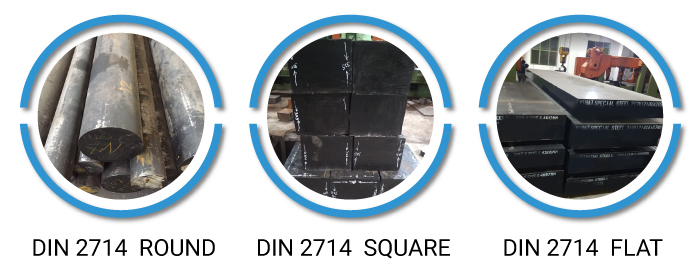
Virat Special Steels is the largest stockiest and supplier of DIN 2714 tool steel in flat, square and round bar. We provide steel in all sizes as your requirements. DIN 2714 die steel is available in flat, square and round shape. Consult our team who will assist you for DIN 2714 steel query.


din-2714-steel


Steel Properties

The special Hot Work Pre hardened Steel with good toughness and high ware resistance. Die Steel is normally supply in hard, quenched & tempered and also in annealed condition in special case. Usually its working hardness is 360-430 BHN. This steel grade is the upgrade version of DIN 2713 for better performance.


Mechanical Properties:
Tensile strength 1000-1400 MPa
Yield Strength 1045 MPa
Elongation 15%-20%
Impact Toughness 20 J/cm2-25 J/cm2
Hardness 50-55 HRC
Compressive Strength 2500MPa
Modulus of elasticity 205 GPa

Physical Properties

Coefficient of thermal expansionat °C 20-100 20-200 20-300 20-400 20-500 20-600
10-6 m/(m*K) 12.1 13.1 13.2 13.5 14.1 14.3


Thermal Conductivity °C 20 350 700
W/(m*K) 35.0 39.0 36.0


DIN 1.2714 Hardness:

Different hardness according to different Tempering temperature conditions.
– Annealed condition – 255 BHN max
– Hardened and Tempered condition- 38 to 42 HRC
– Hardness variation from surface to core – 20 to 25 BHN


Machinability:

The machinability of tool steel DIN 2714 is very good & It rates 90% of the machinability of the W-group water hardening low alloy steels rated 100% as a baseline.


Heat Treatment & Processes:

Heat Treatment:

Based on the desired hardness, toughness, and other mechanical properties of the steel required for the particular application, such as shape and size, the precise heat treatment of DIN 1.2714 steel parameters, including rate of heating, austenitizing temperature, cooling, soaking time, quenching media, and tempering temperature, may vary.


Hardening:

Preheating at 650°C, quickly raising the temperature to the hardening range of 900–950°C, and quenching in oil.


Tempering:

Tempering after-hardening values /MPa|400°C: 1770,
Tempering after-hardening values /MPa|500℃: 1570 ,
Tempering after-hardening values /MPa|600°C: 1320,
Tempering after-hardening values /MPa|650℃: 1180


Forging :

Gradually Warm up to 700 °C, then quickly raise the temperature to 1050 °C. Keep forging over 800 °C. After forging, it is important to cool slowly, either in a furnace or in a vermiculite.


Stress Relieving:

Heat the component gently to 600–650°C for stress release, and then give it a thorough soak for two hours every 25mm of section. Cool to 500°C in the boiler before circulating freely. Before hardening, tools can then be finished machining.


Normalizing:

DIN 1.2714 Hot-Work Mold Steel should not be normalized due to its air-hardening ability .


Annealing:

Soak Thoroughly at 740-760 °C before furnace cooling at a maximum rate of 10 °C per hour down to 600 °C followed by cooling in air.


Cold working:

Cold working is needed for shaping or forming the material, it is generally recommended to perform the operations on the steel in its annealed or soft condition before the heat treatment process.


Nitriding:

DIN 1.2714 steel can be nitride to give a hard surface case, The steel is very resistant to wear and erosion .Before nitriding the tool steel should be hardened and tempered at approx 50 °C above the nitriding temperature.


Welding:

Stress tempering for a pre hardened condition.


Quenching:

In order to produce the appropriate hardness and mechanical qualities for DIN 1.2714 Steel, quenching is a critical stage in the heat treatment process. The temperature range above the critical temperature (AC3) is required for quenching steel utilizing an oil and air medium in order to completely change the steel’s microstructure into a hardened condition.


Soft annealing °C Cooling Hardness HB
650-710 Furnace max. 240


Hardening °C Quenching Hardness after quenching HRC
840-880 Oil 57
860-900 Air 55


Tempering °C after quenching 100 200 300 400 450 500 550 600 650
in Oil – HRC 56 54 52 49 47 46 43 38 34
in Air – HRC 54 52 50 47 45 43 40 36 32

Application

Dies for Drop Forging Hammers & Mechanical Presses, Die Molds, Shoe Blocks, Die Holder, Cassettes, Piston Rods, Cranks, Boaster, Shearing Blades, Tools, plastic molds, Shafts Etc.


Addition to other Grades:

HCHCR-D2 Steel , HCHCR-D3 Steel , P20+Ni Steel , P20 Steel , DB6 Steel , H13 Steel, H11 Steel, H21 Steel, H10 Steel, H12 Steel, M2 Steel, M35 Steel, M42 Steel, T1 Steel, DIN 2379 Steel, DIN 2080 Steel, DIN 2738 Steel, DIN 2311 Steel, DIN 2714 Steel, DIN 2344 Steel , DIN 2343 Steel, DIN 2581 Steel, DIN 2365 Steel, DIN 2606 Steel, DIN 3343 Steel, DIN 3243 Steel, DIN 3247 Steel, DIN 3355 Steel AISI D2 Steel, AISI D3 Steel, AISI P20+Ni Steel, AISI P20 Steel, AISI L6 Steel , AISI H13 Steel, AISI H11 Steel, AISI H21 Steel, AISI H10 Steel, AISI H12 Steel, AISI M2 Steel, AISI M35 Steel, AISI M42 Steel , AISI T1 Steel


Our Global Presence:

India, Nepal, Dubai, Thailand, Vietnam, Saudi Arabia, United Arab Emirates , Qatar, Kuwait, Iran, Turkey, Portugal, Spain, Poland, UK, USA, Canada, Brazil, Mexico, Belarus, Australia, New Zealand and many more..


We Provide our Special Steels in All Major Cities India.

Agra, Alwar,Ambala, Anand, Bhiwadi, Dehradun, Ghaziabad, Haridwar, Rudrapur, Delhi, Faridabad, Kanpur, Noida, Gurgaon, Manesar, Kundali ,  Chandigarh,  Waluj , Vadodara, Pimpri – Chinchwad, Rajkot, Jaipur, Ahmedabad, Pithampur,  Surat,  Amravati, Vadodara, Indore,  Bhopal, Ranchi, Jamshedpur, Howrah, Kolkata, Pune, Thane, Nashik, Mumbai, Navi Mumbai, Nagpur,  Ambattur, Bangalore, Belgaum, Chittoor, Dindigul, Hyderabad,  Ernakulam,  Chennai, Secunderabad, Visakhapatnam, Coimbatore, Mysore, Nellore, Kochi,  Thiruvananthapuram, Trivandrum, Vijayawada, Guntur, Tirupati, Nazarathpet, Kakinada, Kurnool and many more..


P20 Steel

Grade Brief:

P20 is an alloy tool steel with good machining ability even when hardened and tempered (Brinell 300). This steel has a polished surface and is one of the most regularly used requirements for machine cut plastic molds and casting dies. P20 is frequently hardened and tempered, ready for machining. It provides great wear resistance in this form, however if maximal surface hardness is required for compression molding plastic dies or similar equipment, the steel can be case hardened. A higher Sulfur variant, P20S, is offered for improved machinability.


Consult our Gurugram office for further assistance.
Meanwhile for more on Virat Special Steels;
Email Us: info@viratsteels.com.
Contact them by mobile numbers 98140 – 21775, 99991 – 24971 to 79.

Follow on LinkedIn


Mode of Supply

Virat Special Steels is the largest stockiest and supplier of P20 Steel in flat, square and round bar. We provide steel in all sizes as your requirements. P20 die steel is available in flat, square and round shape. Consult our team who will assist you for P20 steel query.


P20 Steel


Steel Properties

P20 / DIN 2311 /AISI P20 is the Pre Hardened Plastic mould steel hardness distributed evenly in large cross sections that have
excellent weldability with least hardness elevation, good mirror polishability and less streak texture making
finishing easier. Size Section availability upto 255mm thickness. Supply hardness is 240-280 BHN.


Mechanical Properties:
Tensile Strength 965-1030 MPa
Yield Strength 827-862 MPa
Hardness 30 HRC
Elongation 20%
Compressive Strength 862 MPa
Elastic Modulus 190-210 GPa


Physical Properties

Coefficient of thermal expansionat °C 20-100 20-150 20-200 20-250 20-300 20-350 20-400 20-450 20-500
10-6 m/(m*K) 12.7 12.8 13.1 13.3 13.6 13.7 13.8 14.0 14.3


Thermal Conductivity at °C 23 150 300 350 400 500
W/(m*K) 32.0 32.8 31.4 30.2 29.6 27.5


Heat Treatment & Processes:

Heat Treatment

During the carburizing process, P20 / DIN 2311 / AISI P20 tool steels are heated to 871-899°C (1600-1650°F) in the carburizing medium. After carburizing, these steels are heated to 816-871°C (1500-1600°F) to harden, then held for 15 minutes before being oil quenched.


Hardening:

Heat the steel consistently to 820-840°C until completely heated. Soak in oil to cool.


Forging:

Heat gently, giving the steel enough time to heat all the way through. start forging at 1050 degrees. Never forge below 930°C, reheating as needed. After forging, allow it to progressively cool.


Stress Relieving:

To reduce machining stresses when dies are substantially machined, stabilizing is advised right before finishing machining. 460° to 500° Celsius. Good soaking followed by air cooling is advised.


Normalizing:

Heating uniformly to 900°C for P20 / DIN 2311 / AISI P20 steel.


Annealing:

Heating consistently to 770–790°C for P20 / DIN 2311 / AISI P20 annealing. Good soaking, gentle cooling in the boiler.


Tempering:

Heat evenly and soak for at least one hour for every 25mm of section at the tempering temperature. Allow it to cool in a cool air.


Welding:

P20 / DIN 2311 / AISI P20 tool steels are welded using traditional techniques.


Soft annealing °C Cooling Hardness HB
710 – 740 Furnace max. 235


Hardening °C Quenching Hardness after quenching HRC
850 – 880 Oil or
saltbath, 180 – 220 °C
52


Tempering °C after Quenching 100 200 300 400 500 600 700
HRC 52 50.5 48.5 46 42 36.5 28


Application

Plastic mould steel equivalent to P20/ DIN 2311 / AISI P20 use for die holders, zinc die, casting dies, backers, bolsters,
injection moulds, mould frames for plastic moulds, Shoe Blocks, pressure casting moulds, recipient sleeves
Etc.


Addition to other Grades:

HCHCR-D2 Steel , HCHCR-D3 Steel , P20+Ni Steel , P20 Steel , DB6 Steel , H13 Steel, H11 Steel, H21 Steel, H10 Steel, H12 Steel, M2 Steel, M35 Steel, M42 Steel, T1 Steel, DIN 2379 Steel, DIN 2080 Steel, DIN 2738 Steel, DIN 2311 Steel, DIN 2714 Steel, DIN 2344 Steel , DIN 2343 Steel, DIN 2581 Steel, DIN 2365 Steel, DIN 2606 Steel, DIN 3343 Steel, DIN 3243 Steel, DIN 3247 Steel, DIN 3355 Steel AISI D2 Steel, AISI D3 Steel, AISI P20+Ni Steel, AISI P20 Steel, AISI L6 Steel , AISI H13 Steel, AISI H11 Steel, AISI H21 Steel, AISI H10 Steel, AISI H12 Steel, AISI M2 Steel, AISI M35 Steel, AISI M42 Steel , AISI T1 Steel


Our Global Presence:

India, Nepal, Dubai, Thailand, Vietnam, Saudi Arabia, United Arab Emirates , Qatar, Kuwait, Iran, Turkey, Portugal, Spain, Poland, UK, USA, Canada, Brazil, Mexico, Belarus, Australia, New Zealand and many more..


We Provide our Special Steels in All Major Cities India.

Agra, Alwar,Ambala, Anand, Bhiwadi, Dehradun, Ghaziabad, Haridwar, Rudrapur, Delhi, Faridabad, Kanpur, Noida, Gurgaon, Manesar, Kundali ,  Chandigarh,  Waluj , Vadodara, Pimpri – Chinchwad, Rajkot, Jaipur, Ahmedabad, Pithampur,  Surat,  Amravati, Vadodara, Indore,  Bhopal, Ranchi, Jamshedpur, Howrah, Kolkata, Pune, Thane, Nashik, Mumbai, Navi Mumbai, Nagpur,  Ambattur, Bangalore, Belgaum, Chittoor, Dindigul, Hyderabad,  Ernakulam,  Chennai, Secunderabad, Visakhapatnam, Coimbatore, Mysore, Nellore, Kochi,  Thiruvananthapuram, Trivandrum, Vijayawada, Guntur, Tirupati, Nazarathpet, Kakinada, Kurnool and many more..


HCHCR-D3 Steel

Grade Brief:

Virat Special Steels is the largest Supplier & Stockiest of HCHCR-D3 Steel in India.
D3 Steel Having 12 % ledeburitic chromium tool steel with great wears resistance . Basically utilized as cutting tools for sheets up to 4 mm thickness, trimming dies, blanking dies for paper and plastics, shear cutting edges and rotational shear edges for sheet thicknesses up to 2 mm.


Consult our Gurugram office for further assistance.
Meanwhile for more on Virat Special Steels;
Email Us: info@viratsteels.com.
Contact them by mobile numbers 98140 – 21775, 99991 – 24971 to 79.

Follow on LinkedIn


Mode of Supply

Virat Special Steels is the largest stockiest and supplier of HCHCR D3 Steel in flat, square and round bar. We provide steel in all sizes as your requirements. HCHCR D3 die steel is available in flat, square and round shape. Consult our team who will assist you for HCHCR D3 steel query.


hchcr-d3-steel


Steel Properties

D3 Steel having properties of High Carbon 2% and High chromium 12 % tool steel with high wear resistance.

Its supply condition is normally annealed to easy machining which recommended hardness is 57-58
HRC after making the dies & tools.


Mechanical Properties:


Impact Toughness 28 J/cm2
Hardness 58-64 HRC
Poisson’s Ratio 0.27-0.30
Modulus of elasticity 190-210 GPa


Physical Properties

The physical properties can vary slightly depending on the specific composition and heat treatment of the D3 steel. Its always recommended to refer to the manufacturer’s specifications for precise information.


Coefficient of thermal expansionat °C 20-100 20-200 20-300 20-400 20-500 20-600 20-700
10-6 m/(m*K) 10.7 11.6 12.3 12.6 12.9 13.2 13.3


Thermal Conductivity at °C 20 350 700
W/(m*K) 16.6 20.5 24.3


Heat Treatment & Processes:

Heat Treatment

Heat treatment Process includes the parameters like temperatures, the rate of heating, cooling, soaking time ,the type of furnace, quenching medium, and workpiece transfer facilities.


Forging:

D3/ DIN 2080 / AISI D3 should be pre-heated at 900-950°C, then increase to 1050-1100°C. Soak until evenly warm. At high temperatures, D3/ DIN 2080 / AISI D3 tool steel becomes quite hard. As a result, the initial hammer blows must be mild, and the temperature must not go below 1020°C until the metal begins to flow. The final forging temperature should not be less than 900°C.


Stress Relieving:

The Stress relieving must be done after rough machining. To stress relief, heat the component to approx 600-650°C in the case of D3/ DIN 2080 / AISI D3 steel. Then it should be Soaked well and cool in the furnace or in the air.


Normalizing:

The hardness after normalization is 55 HRC. The specimen gets tougher after normalizing than after annealing. This is because a higher number of undissolved carbide particles develop, causing the specimen to become brittle.


Annealing:

It is necessary to heat gently and consistently to 900°C for the annealing of D3/ DIN 2080 / AISI D3 steel. Then it must be soaked for three to four hours before cooling in the furnace till room temperature. Reheat to 800–1040°C, then soak for another three–four hours. Allow the furnace to drop to room temperature.


Welding:

D3/ DIN 2080 / AISI D3 tool steel Welding process should be avoided, if possible Due to the high risk of crack formation welding. However when welding is essential, the following guides must be followed:
– Welding of soft annealed D3/ DIN 2080 / AISI D3 tool steel (Preheat to 300 – 500°C, Weld at 300-500°C, Immediately stress relieve) Electrode: Cr-Mo alloy electrode for welding structural steel.
– Welding in connection with hardening of soft annealed D3/ DIN 2080 / AISI D3 tool steel.(Heat to austenitizing temperature, Cool to approx. 500°C, Weld at approx. 500°C, Cool to approx. 100°C in the same way as at normal hardening, then temper to desired hardness). Double tempering will reduce the risk of crack formation.
Electrode: Hard-facing electrode.)
– Repair welding of D3/ DIN 2080 / AISI D3 tool steel is hardened and tempered in condition.(Preheat to the tempering temperature (min. 200°C) previously used, Weld at tempering temperature, Heat immediately to tempering temperature, but max. 300°C. Soaking time 3 hours, Cool in the air to approx. 80°C, Heat to tempering temperature. Soaking time 2 hours.) Electrode: Hard-facing electrode.


Soft annealing °C Cooling Hardness HB
810 – 850 Furnace max. 250


Stress-relief annealing °C Cooling
approx. 670-720 Furnace


Hardening °C Quenching Hardness after quenching HRC
940 – 970 Oil 64.5
950-980 Air (up to 30 mm thickness) 64.5


Tempering °C after Quenching 100 200 300 400 500 600
HRC 63.5 61.5 58 57.5 55 47


Application

HCHCR D3 is used in cold Dies & tooling application that required the achievement of high degree of accuracy in
hardening & tempering, such as dies drawing, forming cold rolls, powder metal tooling and blanking and
trimming dies, blanking dies for paper and plastics, shear blades , cold die punches , Ejector pins etc.


Addition to other Grades:

HCHCR-D2 Steel , HCHCR-D3 Steel , P20+Ni Steel , P20 Steel , DB6 Steel , H13 Steel, H11 Steel, H21 Steel, H10 Steel, H12 Steel, M2 Steel, M35 Steel, M42 Steel, T1 Steel, DIN 2379 Steel, DIN 2080 Steel, DIN 2738 Steel, DIN 2311 Steel, DIN 2714 Steel, DIN 2344 Steel , DIN 2343 Steel, DIN 2581 Steel, DIN 2365 Steel, DIN 2606 Steel, DIN 3343 Steel, DIN 3243 Steel, DIN 3247 Steel, DIN 3355 Steel AISI D2 Steel, AISI D3 Steel, AISI P20+Ni Steel, AISI P20 Steel, AISI L6 Steel , AISI H13 Steel, AISI H11 Steel, AISI H21 Steel, AISI H10 Steel, AISI H12 Steel, AISI M2 Steel, AISI M35 Steel, AISI M42 Steel , AISI T1 Steel


Our Global Presence:

India, Nepal, Dubai, Thailand, Vietnam, Saudi Arabia, United Arab Emirates , Qatar, Kuwait, Iran, Turkey, Portugal, Spain, Poland, UK, USA, Canada, Brazil, Mexico, Belarus, Australia, New Zealand and many more..


We Provide our Special Steels in All Major Cities India.

Agra, Alwar,Ambala, Anand, Bhiwadi, Dehradun, Ghaziabad, Haridwar, Rudrapur, Delhi, Faridabad, Kanpur, Noida, Gurgaon, Manesar, Kundali ,  Chandigarh,  Waluj , Vadodara, Pimpri – Chinchwad, Rajkot, Jaipur, Ahmedabad, Pithampur,  Surat,  Amravati, Vadodara, Indore,  Bhopal, Ranchi, Jamshedpur, Howrah, Kolkata, Pune, Thane, Nashik, Mumbai, Navi Mumbai, Nagpur,  Ambattur, Bangalore, Belgaum, Chittoor, Dindigul, Hyderabad,  Ernakulam,  Chennai, Secunderabad, Visakhapatnam, Coimbatore, Mysore, Nellore, Kochi,  Thiruvananthapuram, Trivandrum, Vijayawada, Guntur, Tirupati, Nazarathpet, Kakinada, Kurnool and many more..